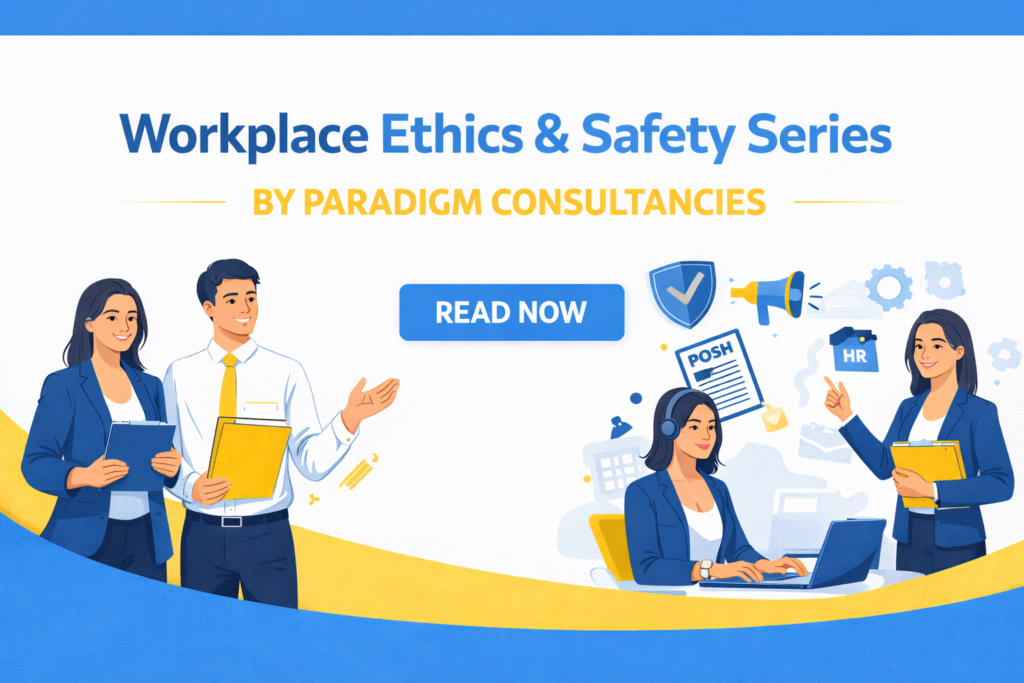
In today’s fast-growing business environment, workplace ethics and safety have become essential pillars for every organization. As Nashik continues to expand across industries like hospitality, retail, infrastructure, and manufacturing, companies must focus on creating environments that are both ethical and secure.
A strong foundation of workplace ethics and safety not only ensures legal compliance but also builds trust, productivity, and long-term success.
Why Workplace Ethics and Safety Matter
Organizations that prioritize workplace ethics and safety create a positive work culture where employees feel respected and protected. This leads to higher employee satisfaction, better retention, and improved performance.
In cities like Nashik, where businesses are rapidly scaling, maintaining workplace ethics and safety standards helps companies stand out as responsible employers. It also minimizes risks related to legal issues, employee dissatisfaction, and reputational damage.
Understanding the POSH Act and Its Importance
The POSH Act 2013 plays a crucial role in maintaining workplace ethics and safety in India. It mandates organizations to provide a safe working environment, especially for women.
Every company with 10 or more employees must form an Internal Complaints Committee (ICC) to address complaints related to harassment. Proper implementation of this law strengthens and ensures that employees feel secure while performing their duties.
For Nashik-based organizations, following POSH guidelines is not just about compliance—it reflects commitment to workplace ethics and safety.
Employee Rights and Awareness
Every employee has the right to:
- A safe working environment
- Protection from harassment
- Confidential complaint handling
- Fair and unbiased investigation
Maintaining Professional Boundaries
A diverse workplace requires mutual respect and understanding. Maintaining boundaries is an important aspect of workplace ethics and safety.
Employees should avoid engaging in sensitive discussions that may lead to conflicts. Respecting personal beliefs while maintaining professionalism helps in strengthening workplace ethics and safety.
Can Employers Influence Personal Beliefs?
Employers play a major role in shaping organizational culture, but there must be limits. Ethical companies focus on behavior and professionalism rather than personal beliefs.
Encouraging a respectful environment enhances workplace ethics and safety while allowing employees to express their individuality. Companies that strike this balance often build stronger teams and better workplace relationships.
Role of HR in Workplace Ethics and Safety
Key responsibilities include:
- Conducting training and awareness programs
- Ensuring POSH compliance
- Handling employee grievances
- Promoting a safe and inclusive work culture
Creating a Safe Work Environment in Nashik
Businesses that invest in ethical practices experience:
- Higher employee engagement
- Better brand reputation
- Reduced legal risks
- Increased productivity
In conclusion, workplace ethics and safety are no longer optional—they are essential for every organization. From understanding the POSH Act to promoting employee awareness and strong HR practices, every step contributes to a better workplace.
For businesses in Nashik, focusing on workplace ethics and safety can create a positive impact on both employees and overall business performance.
Paradigm Consultancies is committed to helping organizations build strong systems that promote workplace ethics and safety, ensuring a secure and respectful work environment for all.