Author name: ssonamm.s

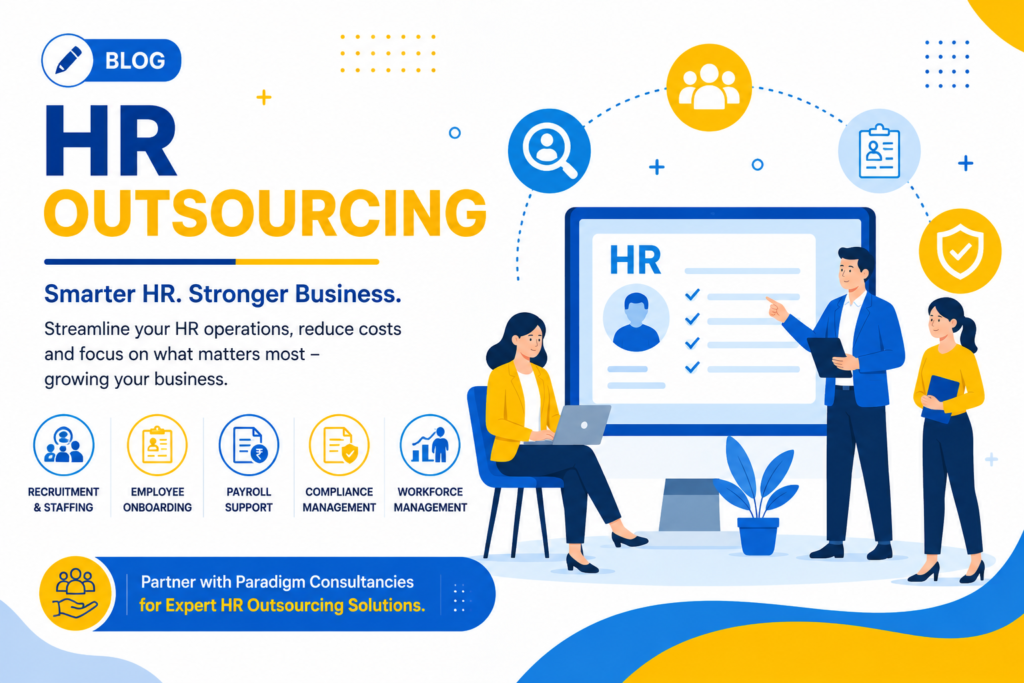
HR Outsourcing Services
Blog

No HR Team? No Problem – Why Outsourcing HR Services is a Smart Business Decision

HR Outsourcing Services– As businesses grow, managing employees becomes more challenging. Recruitment, onboarding, payroll coordination, compliance, employee records, and performance management all require dedicated time and expertise. However, not every business can afford a full-fledged in-house HR department. This is where HR outsourcing becomes a practical and cost-effective solution. By partnering with an experienced HR consultancy like Paradigm Consultancies, businesses can focus on growth while experienced HR professionals take care of their workforce management. What is HR Outsourcing Services? HR outsourcing is the process of hiring a professional HR consultancy to manage some or all of your human resource functions. Instead of maintaining an internal HR team, businesses can rely on experts who handle recruitment, employee documentation, compliance, onboarding, and HR operations efficiently. Whether you’re a startup, SME, or an expanding organisation, outsourcing HR helps you build a strong workforce without increasing operational costs. Why Businesses Choose HR Outsourcing Services? Access to Experienced HR Professionals Professional HR consultants bring years of recruitment and employee management experience. They understand hiring trends, industry requirements, and HR best practices, helping businesses recruit the right talent quickly. Cost-Effective Solution Hiring and maintaining an in-house HR department involves salaries, training, software, and infrastructure costs. Outsourcing eliminates these expenses while giving you access to professional HR services whenever required. Faster Hiring Process Finding qualified candidates can take weeks or even months. HR outsourcing companies maintain extensive talent databases and proven recruitment processes, significantly reducing hiring time. Compliance and Documentation Labour laws and employment regulations continue to evolve. Professional HR consultants ensure your business remains compliant by managing employee records, documentation, contracts, and statutory requirements. Focus on Core Business Instead of spending valuable time on recruitment and administrative tasks, business owners can focus on sales, customer service, operations, and business expansion. HR Outsourcing Services Offered by Paradigm Consultancies At Paradigm Consultancies, we provide customised HR solutions that suit businesses of every size and industry. Our services include: Industries We Serve Paradigm Consultancies supports hiring across multiple industries, including: Our recruitment specialists understand the unique hiring requirements of each industry and help businesses find candidates who fit both technically and culturally. Benefits of Partnering with Paradigm Consultancies for HR Outsourcing Services Tailored HR Solutions Every business has different workforce requirements. We create customised HR strategies based on your hiring goals, company size, and industry. Improved Employee Quality Our structured screening and selection process helps businesses hire skilled professionals who contribute to long-term organisational success. Reduced Hiring Time With an established recruitment network and experienced consultants, we help organisations fill vacancies faster without compromising quality. Scalable HR Support As your business grows, our HR solutions scale with your workforce needs, so you always have the support you need. Who should go for HR Outsourcing Services? HR outsourcing is ideal for: Why Choose Paradigm Consultancies for HR Outsourcing Services? Paradigm Consultancies combines recruitment expertise with personalised HR support to help businesses build stronger teams. Our experienced HR professionals understand the challenges organisations face and deliver practical, result-oriented solutions. From sourcing the right candidates to supporting smooth HR operations, we become your trusted recruitment and HR partner. Conclusion Managing human resources doesn’t have to be complicated or expensive. Outsourcing your HR functions allows you to reduce costs, improve hiring efficiency, stay compliant, and focus on growing your business. If your organisation needs reliable recruitment support or complete HR outsourcing services, Paradigm Consultancies is ready to help. No HR Team? No Problem. Let experienced HR professionals manage your workforce while you focus on growing your business. Contact Paradigm Consultancies Paradigm ConsultanciesYour Trusted Recruitment & HR Outsourcing Partner 📍 Office Address:Flat No. 01, Advait Apartment, Opp. Jogging Track, Near Post Office, Indira Nagar, Nashik, Maharashtra 422009 📞 Phone: +91 88887 99039 📧 Email: jobs@paradigmc.in Whether you’re looking to outsource your HR operations, recruit top talent, or streamline your workforce management, Paradigm Consultancies is here to provide reliable and customised HR solutions tailored to your business needs. Get in touch today and let our experienced HR professionals help your business grow.

HR Internship Program
Blog

HR Internship Program: The First Step Towards a Successful HR Career

In today’s competitive job market, practical experience is just as important as academic qualifications. An HR Internship Program provides aspiring Human Resource professionals with the opportunity to gain real-world exposure, develop industry-relevant skills, and build a strong foundation for long-term career success. Whether you’re a student, fresher, or recent graduate, enrolling in an HR Internship Program can help you understand how modern organisations attract, manage, and retain talent while preparing you for a rewarding career in Human Resources. Why an HR Internship Program Matters A well-structured HR Internship Program bridges the gap between classroom learning and workplace expectations. It allows candidates to gain hands-on experience in various HR functions while working alongside experienced professionals. Employers increasingly prefer candidates who possess practical HR knowledge. Completing an HR Internship Program demonstrates initiative, professionalism, and a genuine interest in building a successful HR career. Key Benefits of an HR Internship 1. Gain Real-World HR Experience An HR Internship Program provides practical exposure to everyday HR operations, helping interns understand organizational structures, employee relations, and HR processes. 2. Learn Recruitment and Talent Acquisition Recruitment is one of the most important HR functions. Through an HR Internship Program, candidates learn how to source talent, screen resumes, coordinate interviews, and support hiring decisions. 3. Develop Leadership Skills Leadership is an essential quality for HR professionals. An Internship Program helps participants build communication, problem-solving, decision-making, and interpersonal skills that contribute to future leadership success. 4. Understand Workforce Planning Organisations rely on effective workforce planning to meet business goals. During an Internship Program, interns gain insights into manpower planning, organisational development, and workforce management strategies. 5. Build Professional Confidence An HR Internship Program provides valuable workplace exposure, helping candidates gain confidence while interacting with employees, managers, and business leaders. What You Will Learn During an HR Internship Program Leadership Development Learn how effective leaders inspire teams, manage performance, and drive organisational success. Talent Strategy Understand how organisations attract, engage, and retain high-performing employees through strategic HR practices. Workforce Planning Gain knowledge about workforce forecasting, manpower allocation, and succession planning. HR Analytics Learn how data-driven decision-making helps HR teams improve recruitment, employee engagement, and organisational performance. Organizational Culture Explore how HR professionals create positive workplace cultures that encourage collaboration, productivity, and employee satisfaction. How an HR Internship Program Improves Career Opportunities Completing an Internship significantly improves employability and career prospects. Employers value candidates who have practical exposure to HR processes and corporate environments. Benefits include: Many organisations consider successful interns for future employment opportunities. Who Should Join an HR Internship? An Internship is ideal for: If you’re passionate about people management and organisational development, an internship is the perfect starting point. Tips to Succeed in an HR Internship Be Proactive Take initiative and volunteer for new responsibilities whenever possible. Improve Communication Skills Strong communication is essential for success in Human Resources. Stay Organized HR professionals often manage multiple tasks simultaneously, making organization a critical skill. Learn HR Tools and Technology Gain familiarity with Applicant Tracking Systems (ATS), HRMS software, and recruitment platforms. Build Professional Relationships Networking during your internship can create valuable future career opportunities. Conclusion An HR Internship Program offers an excellent opportunity to gain practical HR experience, develop professional skills, and prepare for a successful career in Human Resources. From recruitment and talent acquisition to workforce planning and HR analytics, internships provide valuable exposure that helps candidates become industry-ready professionals. If you’re looking to build a strong foundation in HR and gain real-world experience, enrolling in an HR Internship can be one of the smartest career decisions you make. Contact Us Paradigm Consultancies Flat no 01, Advait Apartment, Jogging Track, opp. Indira Nagar jogging track, Indira Nagar, Nashik, Maharashtra 422009 📞 +91 90282 08088📞 +91 88887 99039 📧 jobs@paradigmc.in 🌐 Follow us on Instagram: @Paradigmconsultancies Apply today and start your journey with our HR Internship Program

Absconding HR Formalities and Procedure
Blog

Absconding HR Formalities and Procedure: A Complete Guide for HR Professionals in India

Absconding HR Formalities and Procedure: Step-by-Step HR Guide Employee absconding is one of the most challenging situations faced by HR departments. When an employee stops reporting to work without informing the organization and remains unreachable despite multiple communication attempts, HR professionals must follow a proper Absconding HR Formalities and Procedure to protect the company’s interests and ensure legal compliance. Having a clear Absconding HR Formalities and Procedure helps organizations maintain accurate records, avoid legal disputes, and ensure transparency throughout the process. What is Employee Absconding? Employee absconding occurs when an employee remains absent from work without approval, notice, or communication for an extended period and fails to respond to repeated attempts made by the employer. In such cases, HR must follow a documented Absconding HR Formalities and Procedure before taking disciplinary or termination action. Why Following an Absconding HR Formalities and Procedure is Important A structured process helps organizations: Proper documentation is the foundation of any effective Absconding HR Formalities and Procedure. Step 1: Verify Employee Records The first step in the Absconding HR Formalities and Procedure is verifying attendance records. HR should: This helps determine whether the absence is unauthorized or due to a genuine reason. Step 2: Attempt Communication Before declaring an employee absconding, HR must make multiple communication attempts. Communication methods may include: All communication records should be maintained as evidence under the Absconding HR Formalities and Procedure. Step 3: Issue the First Warning Notice If communication attempts fail, HR should send a formal warning notice requesting the employee to report back to work. The notice should include: This is a critical stage in the Absconding HR Formalities and Procedure. Step 4: Send a Final Show Cause Notice If the employee remains unresponsive, a final show cause notice should be issued. The notice generally provides: Maintaining proof of notice delivery is essential for legal compliance. Step 5: Declare Employee Absconding When all communication efforts fail and the employee remains absent without justification, the organization may officially declare the employee absconding. HR should: A documented Absconding HR Formalities and Procedure helps support this decision. Step 6: Process Termination as Per Company Policy After completing all required formalities, HR may proceed with termination according to organizational policies and employment agreements. The termination process should be: This ensures fairness and reduces future legal risks. Step 7: Complete Full and Final Settlement Even when an employee absconds, organizations may still need to process applicable payments and recoveries. The Full and Final Settlement may include: The Absconding HR Formalities and Procedure must clearly define settlement guidelines. Step 8: Ensure Statutory Compliance HR should update all statutory records after employee separation. This includes: Following statutory requirements is a key part of the Absconding HR Formalities and Procedure. Step 9: Maintain Proper Documentation Documentation is essential for legal protection and audits. HR should maintain: Proper documentation strengthens the effectiveness of any Absconding HR Formalities and Procedure. Common Mistakes HR Should Avoid Many organizations face legal challenges because of process gaps. Avoid: A standardized Absconding HR Formalities and Procedure helps prevent these mistakes. Best Practices for Handling Employee Absconding To manage absconding cases effectively: These practices improve compliance and reduce disputes. Conclusion Employee absconding can disrupt operations and create compliance challenges. However, by implementing a structured Absconding HR Formalities and Procedure, organizations can handle such situations professionally, fairly, and legally. From verifying records and issuing notices to completing settlements and maintaining documentation, every step plays a crucial role in protecting both the organization and employee rights. A well-defined Absconding HR Formalities and Procedure ensures transparency, audit readiness, compliance, and effective workforce management. See outside Paradigm Consultancies | Best & Most Trusted Placement Agency 4.9 162 Google reviews Website Address: post office, Flat no 01, advait appartment, Jogging Track, opp. Indira nagar, Indira Nagar, Nashik, Maharashtra 422009 Phone: 088887 99039

Managing Blue-Collared Staff
Blog

Managing Blue-Collared Staff: Leadership Strategies for Building a Productive Workforce

Managing blue-collar staff requires a unique leadership approach that focuses on communication, respect, motivation, and practical problem-solving. Blue-collar employees form the backbone of industries such as manufacturing, construction, logistics, warehousing, hospitality, retail operations, and maintenance services. Effective management of blue-collar staff can significantly improve productivity, employee retention, workplace safety, and overall business performance. In today’s competitive business environment, organisations that invest in managing blue-collar staff effectively gain a strong operational advantage and build high-performing teams that consistently deliver results. Why Managing Blue-Collared Staff Is Important Blue-collar employees work directly on the ground and are responsible for executing daily operations. Their efficiency directly impacts production quality, customer satisfaction, project completion timelines, and profitability. Effective management of blue-collar staff helps organisations: Leaders who understand the needs of blue-collar workers create a positive work environment where employees feel valued and motivated. Who Are Blue-Collared Staff? Blue-collar staff are employees who perform skilled, semi-skilled, or manual labour. They typically work in industries such as: These employees often work in shifts, operate machinery, handle equipment, and contribute directly to operational success. Challenges in Managing Blue-Collared Staff Managing blue-collared staff comes with several unique challenges that leaders must address effectively. Communication Barriers Employees may come from diverse educational, cultural, and language backgrounds. Clear communication becomes essential for ensuring workplace efficiency and safety. High Dependence on Supervision Many operational roles require regular supervision and guidance, making leadership visibility critical. Workforce Attrition High employee turnover can impact productivity and increase recruitment and training costs. Resistance to Change Changes in processes, systems, or technology may be met with resistance if employees are not properly informed and trained. Workplace Stress Personal, financial, and family challenges can influence employee performance and attendance. Understanding these challenges is the first step toward successfully managing blue-collared staff. Best Practices for Managing Blue-Collared Staff Build Strong Relationships Employees perform better when they trust their supervisors. Spend time understanding your team’s concerns, strengths, and career goals. Strong relationships help improve: Communicate Clearly and Simply Clear communication is one of the most important aspects of managing blue-collared staff. Managers should: Face-to-face communication often works best in operational environments. Set Clear Expectations Employees need to know exactly what is expected of them. Clearly define: When expectations are clear, employees can focus on achieving results without confusion. Recognise and Appreciate Employees Recognition plays a major role in workforce motivation. Simple appreciation methods include: Employees who feel valued are more likely to remain committed to the organisation. Invest in Training and Development Continuous learning improves employee performance and confidence. Training programs should focus on: Organisations that invest in employee development often experience stronger workforce retention. Dos and Don’ts of Managing Blue-Collar Staff What Managers Should Do What Managers Should Avoid Following these guidelines strengthens leadership effectiveness and workplace culture. What Motivates Blue-Collared Employees? Many managers mistakenly believe that salary is the only motivator. While compensation is important, other factors also influence employee satisfaction. Key motivators include: Understanding these motivators helps leaders create a more engaged workforce. Leadership Principles for Managing Blue-Collared Staff Successful leaders consistently follow these principles: Benefits of Effective Blue-Collar Workforce Management Organisations that excel at managing blue-collar staff often achieve: These benefits directly contribute to long-term business growth and profitability. Conclusion Managing blue-collar staff successfully requires more than supervision. It demands strong leadership, clear communication, employee engagement, and genuine respect for the workforce. Organisations that invest in managing blue-collar staff effectively create motivated teams that deliver exceptional results. When leaders focus on trust, recognition, development, and workplace well-being, they transform a workforce into a high-performing team capable of driving sustainable business success. Follow us Instagram

New Manager Leadership
Blog

New Manager Leadership: How First-Time Managers Can Build Trust and Lead Teams Successfully

Stepping into a management role for the first time can be both exciting and challenging. While technical skills may have earned you the promotion, New Manager Leadership skills will determine your long-term success. Many professionals discover that managing people requires a completely different set of abilities than performing individual tasks. Effective New Manager Leadership helps build trust, improve team performance, and create a positive workplace culture that drives business results. Whether you are leading a small team or managing an entire department, your ability to inspire, guide, and support employees will define your success as a leader. Why New Manager Leadership Matters Successful New Manager Leadership is critical because employees don’t simply follow titles—they follow leaders they trust and respect. A promotion may give you authority, but genuine leadership is earned through actions, communication, and consistency. Organisations that invest in New Manager Leadership development often experience: Employees want managers who listen, provide guidance, and create growth opportunities. When leaders focus on people as much as performance, teams are more likely to stay motivated and committed. The First 90 Days of New Manager Leadership The first three months in a management role are crucial for establishing credibility and building relationships. Effective New Manager Leadership starts with understanding your team before making major changes. Days 1–30: Observe and Listen During your first month, focus on learning rather than leading through immediate changes. Key priorities include: This period is about building trust and gaining valuable insights. Days 31–60: Understand and Analyse Once you understand your team better, begin evaluating workflows and performance. Focus on: The goal is to understand what is working and what needs improvement. Days 61–90: Improve and Add Value After gathering insights, start implementing small but meaningful improvements. Examples include: Small wins during this phase help establish confidence in your leadership. Best Practices for New Manager Leadership Strong New Manager Leadership requires balancing people management with performance management. Great managers know how to achieve results while supporting their teams. Set Clear Expectations Employees perform best when they understand exactly what is expected of them. Clearly define: Clarity reduces confusion and increases accountability. Conduct Regular One-on-One Meetings Frequent one-on-one conversations help managers stay connected with employees. These meetings provide opportunities to: Regular communication creates trust and improves engagement. Recognize Employee Contributions Recognition is one of the most powerful leadership tools. Simple gestures such as: can significantly improve morale and motivation. Delegate Effectively Many new managers struggle with delegation because they feel responsible for every outcome. However, successful New Manager Leadership involves empowering employees to take ownership of their work. Delegation develops skills, builds confidence, and allows managers to focus on strategic priorities. New Manager Leadership and Trust Building Trust is the foundation of New Manager Leadership. Without trust, teams struggle to collaborate effectively and perform at their highest potential. Employees want leaders who: Building trust takes time, but it creates a stronger and more productive workplace culture. New Manager Leadership and Communication Clear communication is one of the most important aspects of New Manager Leadership. Employees perform better when they understand expectations and feel comfortable sharing ideas and concerns. Effective communication includes: Good communication eliminates misunderstandings and strengthens team alignment. Common Mistakes in New Manager Leadership Even talented professionals can struggle when transitioning into management. Avoiding common mistakes is essential for long-term success. Some of the most frequent leadership mistakes include: Micromanaging Employees Constant supervision can reduce employee confidence and creativity. Playing Favorites Favoritism damages trust and negatively impacts team morale. Avoiding Difficult Conversations Addressing performance issues early prevents larger problems later. Failing to Recognize Achievements Employees who feel appreciated are more engaged and productive. Ignoring Employee Development Investing in employee growth improves retention and team performance. Benefits of New Manager Leadership Organisations that prioritise New Manager Leadership enjoy significant advantages. Some of the key benefits include: Strong leadership creates an environment where employees feel valued, supported, and motivated to perform their best. Conclusion Becoming a successful manager is a journey that requires continuous learning and improvement. Effective New Manager Leadership is not about authority—it’s about building trust, developing people, and creating a culture where teams can thrive. By focusing on communication, delegation, accountability, and employee development, first-time managers can transform themselves into trusted leaders. Remember, great leaders don’t just manage work—they inspire people, build confidence, and help others achieve their full potential. The most successful managers understand a simple truth: when people grow, businesses grow too.

Second Generation Leaders People Management
Blog

Second Generation Leaders People Management: From Privilege to Purpose

Second Generation Leaders: People Management has become one of the biggest challenges for next-gen business owners today. While they inherit successful companies, many struggle to lead and inspire their teams effectively. This guide explores how Second Generation Leaders’ People Management can be transformed from a weakness into a major strength. Why is Second Generation Leaders’ People Management is Challenging Many second-generation leaders face unique hurdles in Second Generation Leaders People Management. Growing up with privilege often creates an entitlement mindset, lack of real-world experience, and underdeveloped people skills. These factors make Second Generation Leaders People Management more difficult compared to first-generation founders who built the business from scratch. In Second Generation Leaders People Management, high expectations and low patience can lead to frustration on both sides. Over-reliance on authority instead of influence further complicates Second Generation Leaders’ people management in today’s competitive environment where talent is expensive and hard to retain. Common Mistakes in Second Generation Leaders’ People Management Poor Second Generation Leaders: People Management often includes several common mistakes: Avoiding these mistakes is essential for effective Second Generation Leaders’ People Management. Essential Dos for Better Second Generation Leaders: People Management To succeed in Second Generation Leaders People Management, focus on these key practices: These habits significantly improve Second Generation Leaders’ People Management and help build loyal, high-performing teams. Important Don’ts in Second Generation Leaders’ People Management Strong Second Generation Leaders’ People Management also means avoiding harmful behaviours: Mastering these aspects of Second Generation Leaders’ People Management creates a healthy and productive work culture. Why Second Generation Leaders’ People Management Matters Today In the modern business world, Second Generation Leaders’ People Management is more critical than ever. Human capital is now the most valuable asset. Employees seek purpose, respect, and growth opportunities. Excellent Second Generation Leaders: People Management helps attract and retain top talent while driving long-term business success. Final Thought on Second Generation Leaders: People Management The right approach to Second Generation Leaders’ People Management can transform inherited privilege into lasting purpose. People are not just resources — they are the foundation of sustainable success. By focusing on trust, empathy, and development, Second Generation Leaders People Management becomes a powerful competitive advantage that drives business growth and creates high-performing teams.

Recruitment Process Outsourcing
Blog

Recruitment Process Outsourcing: The Smart Hiring Solution for Modern Businesses

Hiring the right talent is one of the most critical factors in business success. However, recruitment has become increasingly complex, time-consuming, and competitive. Companies often struggle to find qualified candidates while balancing daily operations and growth objectives. This is where Recruitment Process Outsourcing emerges as a powerful solution. Recruitment Process Outsourcing (RPO) allows businesses to delegate part or all of their hiring activities to specialised recruitment experts. By partnering with an experienced recruitment agency, organisations can improve hiring quality, reduce recruitment costs, and focus on what matters most—growing their business. What is Recruitment Process Outsourcing? Recruitment Process Outsourcing is a strategic hiring model in which an external recruitment partner manages recruitment activities on behalf of a company. An RPO provider typically handles: Unlike traditional staffing services, Recruitment Process Outsourcing provides a comprehensive recruitment strategy tailored to your business needs. Why Businesses are Choosing Recruitment Process Outsourcing The modern job market is highly competitive. Skilled candidates often receive multiple job offers, making it essential for companies to move quickly and efficiently. Businesses are increasingly investing in Recruitment Process Outsourcing because it provides access to recruitment expertise, technology, and talent networks that may not be available internally. Let’s explore the key benefits. 1. Save Valuable Time and Resources Recruitment can consume significant management and HR resources. Reviewing resumes, conducting interviews, coordinating schedules, and communicating with candidates require substantial effort. With Recruitment Process Outsourcing, businesses can: Instead of spending weeks searching for candidates, companies gain access to pre-screened professionals who meet their requirements. This allows business leaders to dedicate more time to strategic growth and operational excellence. 2. Access a Larger Talent Pool One of the biggest advantages of Recruitment Process Outsourcing is access to a wider network of qualified candidates. Professional recruitment agencies maintain extensive databases and actively engage with: This broader reach increases the likelihood of finding candidates who possess the right skills, experience, and cultural fit. At Paradigm Consultancies, our recruitment specialists use proven sourcing techniques to identify top talent across multiple industries. 3. Improve Hiring Quality Hiring mistakes can be expensive. A poor hiring decision often leads to: Through Recruitment Process Outsourcing, organisations benefit from structured screening and evaluation processes designed to identify the most suitable candidates. Recruitment specialists assess: This results in stronger hires who contribute positively to business performance and long-term success. 4. Reduce Recruitment Costs Many businesses underestimate the actual cost of recruitment. Expenses can include: By implementing Recruitment Process Outsourcing, organisations can significantly reduce these costs through streamlined hiring processes and faster placements. The result is a more efficient and cost-effective recruitment strategy. 5. Scale Recruitment Efforts Easily Business growth often creates urgent hiring demands. Whether you’re expanding into new markets, opening additional locations, or launching new projects, Recruitment Process Outsourcing provides the flexibility needed to scale hiring activities quickly. RPO solutions help organisations: This scalability ensures businesses can respond effectively to changing workforce demands. Why Choose Paradigm Consultancies? At Paradigm Consultancies, we understand that every business has unique hiring challenges. Our recruitment experts work closely with organisations to develop customised talent acquisition strategies that deliver measurable results. We specialise in recruitment for: Our focus is simple: connect businesses with the right talent while minimising recruitment challenges. Conclusion In today’s competitive business environment, Recruitment Process Outsourcing is no longer just an option—it is a strategic advantage. By outsourcing recruitment activities to experienced professionals, businesses can save time, reduce costs, improve hiring quality, and gain access to a wider talent pool. Whether you’re hiring for a single role or building an entire team, Recruitment Process Outsourcing can transform your hiring process and support long-term business growth. Partnering with a trusted recruitment agency like Paradigm Consultancies ensures you have the expertise, resources, and talent network needed to secure the best candidates for your organisation. Frequently Asked Questions What is Recruitment Process Outsourcing? Recruitment Process Outsourcing (RPO) is a hiring solution where an external recruitment partner manages recruitment activities for an organisation. How does Recruitment Process Outsourcing help businesses? It helps businesses reduce hiring costs, improve candidate quality, save time, and streamline recruitment processes. Is Recruitment Process Outsourcing suitable for small businesses? Yes. Small and medium-sized businesses can benefit significantly from recruitment expertise without maintaining large internal HR teams. What industries benefit from Recruitment Process Outsourcing? Industries including IT, hospitality, retail, healthcare, engineering, manufacturing, finance, and real estate commonly use RPO solutions. Why should I choose Paradigm Consultancies? Paradigm Consultancies provides industry-specific recruitment expertise, access to qualified candidates, customised hiring solutions, and faster recruitment outcomes. Ready to Hire the Right Talent? Finding exceptional talent doesn’t have to be difficult. Let Paradigm Consultancies handle your recruitment needs while you focus on growing your business. 📩 Email Your Requirements: jobs@paradigmc.in 📞 Call Us: +91 888 879 9039 💬 WhatsApp Us: Flat No 01, Advait Apartment, Jogging Track, opp. Indira Nagar, Indira Nagar, Nashik, Maharashtra 422009 Paradigm Consultancies – Expect The Best.

Resume Vs Cv
Blog

Resume vs CV: Understanding the Key Differences to Improve Your Job Search

Finding the right job starts with presenting yourself professionally, and one of the most common questions job seekers ask is: Resume vs CV – what’s the difference? Many candidates use these terms interchangeably, but understanding the distinction between a resume and a CV can significantly improve your chances of securing interviews. Choosing the right document helps recruiters quickly evaluate your qualifications and determine whether you’re a suitable fit for a role. At Paradigm Consultancies, we regularly assist job seekers in creating professional profiles that stand out in today’s competitive job market. Let’s explore the key differences between a resume and a CV and understand when to use each. What is a Resume? A resume is a concise document that summarizes your professional experience, skills, qualifications, and achievements relevant to a specific job role. A well-crafted resume typically includes: Most resumes are limited to one or two pages and are customized for each job application. Purpose of a Resume The primary goal of a resume is to demonstrate why you are the best candidate for a specific position. Recruiters often spend only a few seconds reviewing resumes, making brevity and relevance essential. What is a CV? A Curriculum Vitae (CV) is a detailed document that presents a complete overview of your academic and professional background. A CV generally includes: Unlike a resume, a CV has no strict page limit and can be several pages long depending on your experience. Purpose of a CV A CV is commonly used for: It provides a comprehensive overview of your career and academic accomplishments. Resume vs CV: Key Differences Length Resume: Usually 1–2 pages. CV: Typically 2–4 pages or more. Content Resume: Focuses on relevant skills, work experience, and achievements. CV: Includes detailed information about education, research, publications, certifications, and professional history. Customization Resume: Tailored for each job application. CV: Generally remains consistent and is updated periodically. Usage Resume: Preferred for corporate jobs, internships, and industry positions. CV: Commonly used in academia, research, healthcare, and educational institutions. Focus Resume: Highlights impact, achievements, and relevance. CV: Focuses on depth, detail, and completeness. When Should You Use a Resume? You should use a resume when applying for: Employers in the corporate sector prefer resumes because they provide concise and job-specific information. When Should You Use a CV? A CV is ideal when applying for: Institutions often require detailed information about your educational and professional journey. Tips for Creating a Professional Resume Tailor Your Resume Customize your resume according to the job description. Use Keywords Include relevant industry keywords that match the employer’s requirements. Highlight Achievements Focus on measurable accomplishments rather than listing responsibilities. Keep It Concise Recruiters prefer resumes that are clear, organized, and easy to read. Update Regularly Keep your resume current with your latest experience, certifications, and achievements. Why Choosing the Right Document Matters Understanding the difference between Resume vs CV can improve your job search strategy and increase your chances of getting shortlisted. Submitting the wrong document may create confusion for recruiters and reduce the effectiveness of your application. Using the correct format demonstrates professionalism and attention to detail. How Paradigm Consultancies Can Help At Paradigm Consultancies, we help candidates connect with leading employers across multiple industries. Whether you’re a fresher looking for your first opportunity or an experienced professional seeking career growth, our recruitment experts can guide you through the hiring process. We regularly recruit for positions in: Our team helps candidates understand employer expectations and present their qualifications effectively. Conclusion The debate of Resume vs CV ultimately comes down to your career goals and the type of opportunity you are pursuing. A resume is concise, targeted, and ideal for most corporate roles, while a CV provides a detailed overview suitable for academic and research positions. Understanding these differences ensures you present the right information to employers and maximize your chances of success in today’s competitive job market. Frequently Asked Questions (FAQs) What is the main difference between a Resume and a CV? A resume is a concise summary tailored to a specific job, while a CV is a detailed document covering your complete academic and professional history. How long should a resume be? Most resumes should be one to two pages long. How long should a CV be? A CV can be two pages or more depending on your qualifications and experience. Which is better, a Resume or a CV? Neither is better. The choice depends on the role and industry you are applying to. Do employers prefer Resumes or CVs? Most corporate employers prefer resumes, while academic and research institutions often require CVs. Ready to Find the Right Job Opportunity? Whether you’re a fresher starting your career or an experienced professional looking for your next big opportunity, Paradigm Consultancies is here to help you take the next step with confidence. 📩 Send Your Resume: jobs@paradigmc.in 📞 Call Us: +91 90282 08088 📍 Visit Us:Paradigm ConsultanciesFlat No. 01, Advait Apartment, Jogging Track, Indira Nagar, Nashik, Maharashtra 422009 🌐 Connect With Us:Instagram: @Paradigmconsultancies 🚀 Let us help you find the right opportunity and build a successful career. Contact Paradigm Consultancies today!

career growth
Blog

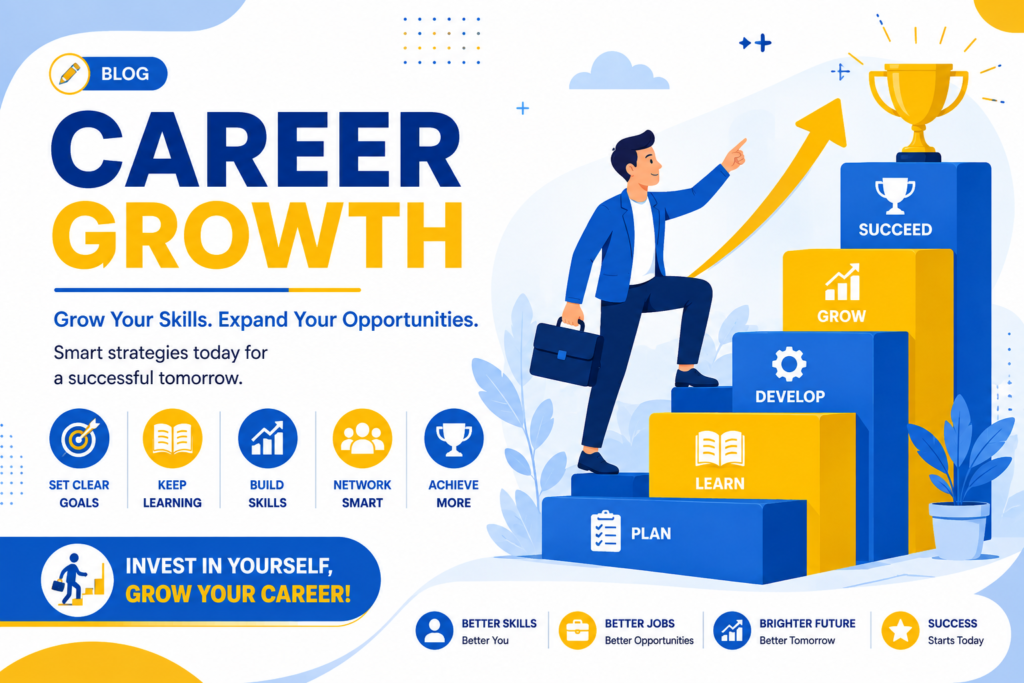
Excel in Your Career Growth: Explore Your Future with the Right Job Opportunities

In today’s competitive job market, finding the right opportunity can feel overwhelming. With thousands of vacancies available across industries, job seekers often struggle to identify roles that match their skills, experience, and career aspirations. However, the key to long-term success lies in making informed career decisions and focusing on continuous career growth. Whether you’re a student preparing to enter the workforce, a fresher searching for your first job, or a professional looking for a career change, having access to the right opportunities can make all the difference. Building a successful career isn’t just about getting a job—it’s about finding a role that aligns with your goals, supports your development, and opens doors to future opportunities. Why Career Growth Matters Many professionals focus solely on securing employment, but true success comes from ongoing career growth. A fulfilling career allows individuals to develop new skills, increase their earning potential, and achieve personal and professional goals. Career growth helps you: Organisations are constantly seeking talented individuals who are eager to learn, adapt, and contribute. By focusing on growth rather than just employment, you position yourself as a valuable asset in the job market. The Importance of Finding the Right Opportunity Not every job is the right fit. Selecting a role that aligns with your strengths, interests, and long-term objectives is essential for sustainable career growth. When evaluating opportunities, consider: Skills Alignment Look for positions where your existing skills can be utilised while also providing opportunities for learning and development. Career Advancement Choose organisations that offer clear career progression paths and opportunities for promotion. Company Culture A positive work environment can significantly impact job satisfaction and professional development. Learning Opportunities Continuous learning is essential for career growth. Seek employers who invest in employee training and development. Opportunities for Freshers and Students The transition from education to employment can be challenging. Many fresh graduates struggle because they lack practical experience. However, employers today value potential, enthusiasm, and a willingness to learn. Students and freshers can accelerate their career growth by: Every successful professional starts somewhere. The first job may not be perfect, but it often serves as a stepping stone toward bigger opportunities. Career Growth for Experienced Professionals For experienced professionals, growth often means taking on new challenges, switching industries, or moving into leadership positions. If you are considering a career change, focus on: Career growth is not limited to promotions. Sometimes, growth comes from gaining new experiences and exploring different career paths. How Recruitment Agencies Support Career Growth Recruitment agencies play an important role in connecting job seekers with employers. They help candidates discover opportunities that may not be publicly advertised and provide valuable career guidance. Benefits of working with a recruitment agency include: Professional recruitment services can simplify your job search and help you find opportunities that align with your career goals. Tips to Accelerate Your Career Growth Keep Learning Continuous learning helps you stay relevant in a rapidly changing job market. Build Your Professional Network Networking can lead to valuable opportunities and career connections. Stay Updated Follow industry trends, attend webinars, and engage with professional communities. Set Career Goals Having clear objectives allows you to make informed decisions about your future. Be Open to New Opportunities Sometimes the best opportunities come from unexpected places. Conclusion Achieving long-term career growth requires more than simply finding a job. It involves continuous learning, strategic planning, and actively pursuing opportunities that align with your aspirations. Whether you’re a fresher starting your journey, a professional seeking advancement, or someone looking for a fresh start, the right opportunity can transform your future. Invest in your skills, stay proactive, and never stop exploring new possibilities. Remember, every successful career begins with a single step. Take that step today and move closer to the future you deserve. 🚀 Ready to Take the Next Step in Your Career? Discover exciting job opportunities and connect with leading employers today. 📩 Send Your Resume: jobs@paradigmc.in📞 Call/WhatsApp: +91 9028208088📱 Follow: @Paradigmconsultancies Your next opportunity could be one application away!

Best Recruitment Agencies in Nashik
Blog

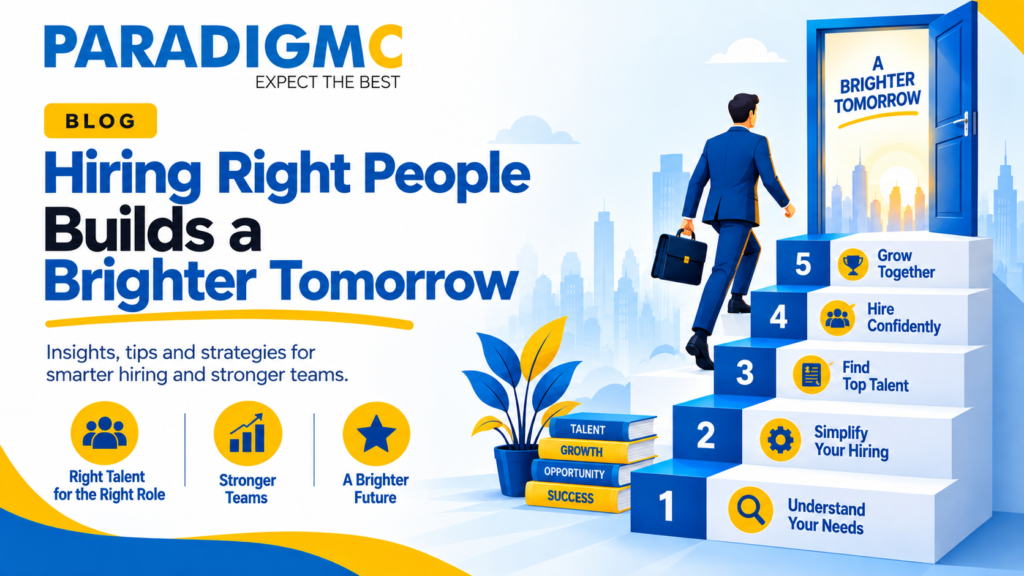
Applying Everywhere, Hearing Nowhere? Here’s How the Best Recruitment Agencies in Nashik Can Help

Are you applying for multiple jobs every day but not receiving interview calls? Do you feel frustrated after sending countless resumes without getting any response from employers? If your answer is yes, you’re not alone. Thousands of job seekers face the same challenge. The good news is that the problem isn’t always your qualifications—it may be your job search strategy. Partnering with a trusted recruitment agencies in Nashik can significantly improve your chances of finding the right job faster. Recruitment consultants understand the hiring market, employer expectations, and industry requirements, helping candidates connect with opportunities that match their skills and career goals. Why Are Candidates Not Getting Responses? Many job seekers assume that applying to more jobs will automatically increase their chances of getting hired. However, employers today receive hundreds of applications for a single position. As a result, only the most relevant candidates get shortlisted. Some common reasons why candidates don’t hear back include: This is where a professional recruitment agencies in Nashik can make a real difference. The Role of a Recruitment Agency in Nashik A recruitment consultancy acts as a bridge between employers and job seekers. Instead of applying blindly to hundreds of positions, candidates gain access to verified job opportunities and professional guidance throughout the hiring process. At Paradigm Consultancies, we help job seekers identify suitable opportunities, improve their profiles, and connect with companies actively looking for talent. Benefits of working with a recruitment agency include: Whether you’re a fresher or an experienced professional, recruitment experts can help streamline your job search. Build an ATS-Friendly Resume One of the biggest mistakes candidates make is using the same resume for every application. Modern companies use Applicant Tracking Systems (ATS) to filter resumes before they reach recruiters. To improve your chances of getting shortlisted: A recruitment agency can help optimize your resume to meet employer expectations and ATS requirements. Optimize Your LinkedIn Profile Recruiters increasingly use LinkedIn to find potential candidates. A professional and optimized profile can increase your visibility and attract hiring managers. Your LinkedIn profile should include: A strong online presence helps recruiters discover your profile even before you apply. Apply Strategically Instead of Randomly Many candidates believe that applying for more jobs will produce better results. In reality, strategic applications are much more effective. Before applying, ask yourself: A reliable recruitment agencies in Nashik helps candidates focus on quality opportunities rather than wasting time on unsuitable positions. Develop a Strong Professional Network Networking remains one of the most effective ways to find employment opportunities. Many positions are filled through referrals before they are publicly advertised. You can build your network by: Strong professional relationships often lead to valuable career opportunities. Upgrade Your Skills The job market continues to evolve rapidly. Employers increasingly look for candidates who invest in continuous learning and professional development. Popular skills currently in demand include: Learning new skills not only improves employability but also increases earning potential. Prepare for Interviews Before They Happen Interview preparation should begin long before you receive a call from a recruiter. Focus on: Candidates who prepare in advance often perform better and leave a stronger impression on hiring managers. Why Choose Paradigm Consultancies? As a trusted recruitment agencies in Nashik, Paradigm Consultancies has helped numerous organisations find skilled talent and assisted candidates in securing rewarding career opportunities. Our team understands local hiring trends, employer expectations, and industry requirements. We work closely with both employers and job seekers to ensure the right fit for every role. Whether you’re looking for your first job, a career change, or a senior-level opportunity, our recruitment experts are here to support your professional journey. Conclusion If you’re applying everywhere and hearing nowhere, it’s time to rethink your job search approach. A professional resume, optimised LinkedIn profile, targeted applications, strong networking efforts, and guidance from an experienced recruitment agencies in Nashik can dramatically improve your chances of success. Instead of navigating the job market alone, partner with experts who understand recruitment and can connect you with the right opportunities. With the right strategy and support, your next interview call could be just around the corner. Follow us on Facebook | Instagram

Scroll to Top