Introduction
Hiring fresh graduates gives businesses an opportunity to develop new talent, introduce fresh ideas and build a future-ready workforce. However, attracting suitable candidates requires more than organising a college placement drive. Companies need a clear hiring plan, effective candidate assessments and a structured onboarding process.
Implementing effective campus recruitment strategies helps employers connect with students whose qualifications, skills and career interests match their business requirements. From building college partnerships to conducting aptitude tests and offering internships, a well-planned campus recruitment programme can support long-term workforce development.
Whether you are a startup, manufacturing company, IT business or growing organisation, the right approach can help you identify promising graduates and prepare them for professional roles.
Why Is Campus Recruitment Important?
Campus recruitment allows employers to connect with students before or shortly after graduation. It can help businesses develop an early-career talent pipeline and identify candidates for trainee, junior executive and entry-level positions.
Key benefits include:
- Access to graduates with relevant educational backgrounds.
- Opportunities to assess communication and problem-solving skills.
- Development of future employees through training programmes.
- Stronger relationships with colleges and placement departments.
- A potential pipeline for recurring entry-level hiring needs.
Successful hiring depends on selecting suitable colleges, defining job requirements and evaluating candidates fairly.
7 Effective Campus Recruitment Strategies
1. Plan Your Campus Hiring Requirements
Begin by identifying the roles you expect to fill, the number of vacancies and the skills required for each position. Consider upcoming projects, business expansion and expected employee turnover.
Prepare clear job descriptions covering responsibilities, eligibility criteria, location, compensation, training and career progression. A documented hiring plan helps your HR team approach relevant colleges and communicate opportunities accurately.
2. Build Strong College Partnerships
Develop relationships with college placement officers, department heads and career development teams. Share your hiring requirements early and discuss opportunities for placement drives, guest lectures, workshops and industry projects.
Strong partnerships can help employers reach relevant student groups and improve awareness of their organisation. Focus on colleges whose courses and student skills align with the positions you intend to offer.
3. Organise a Structured Campus Recruitment Drive
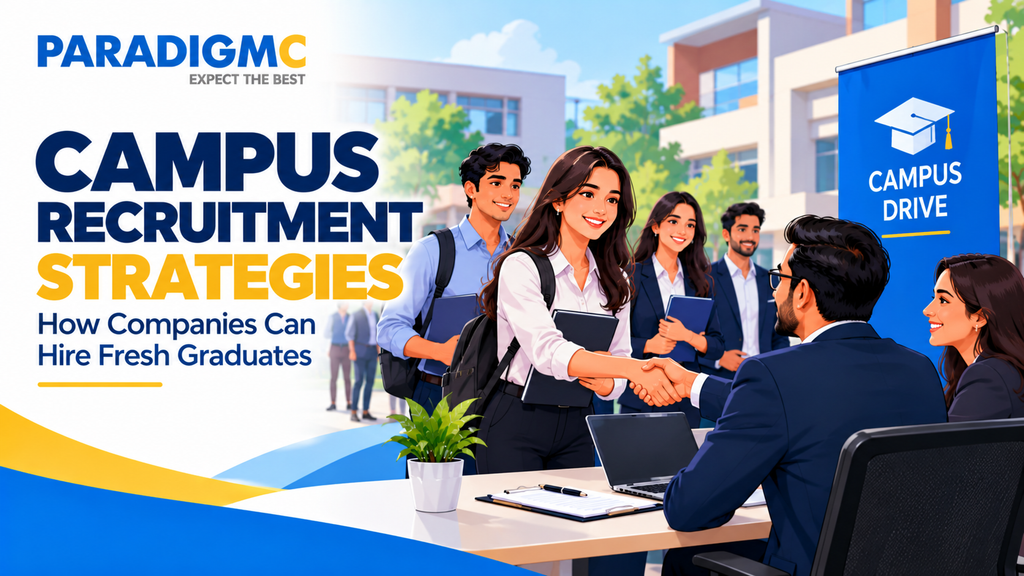
A well-organised campus drive gives students a clear understanding of the hiring process and allows recruiters to assess candidates efficiently.
A typical drive may include:
- Company introduction and role presentation.
- Registration and eligibility screening.
- Aptitude or technical assessments.
- Group discussions, where relevant.
- Technical or functional interviews.
- HR interviews and offer communication.
Share the schedule and selection criteria with students in advance. Assign responsibilities to recruiters, interviewers and college coordinators to keep the process organised.
4. Use Aptitude Tests and Role-Specific Assessments
Academic scores alone may not demonstrate whether a candidate is ready for a particular role. Assessments can help employers evaluate relevant abilities consistently.
Depending on the position, use numerical reasoning, logical reasoning, communication exercises, coding assessments, technical questions or practical assignments.
For sales and customer support roles, communication and situational exercises may be useful. For engineering and IT positions, role-specific technical assessments can help evaluate foundational knowledge.
Keep tests relevant to the actual job, provide reasonable instructions and apply consistent evaluation standards.
5. Offer Internships and Trainee Programmes
Internships allow employers to observe candidates in practical working environments before considering longer-term opportunities. They also help students develop workplace skills and understand business expectations.
Create internships with clear learning objectives, supervision and feedback. Where appropriate, successful interns may be considered for graduate trainee or full-time positions based on performance and available vacancies.
6. Improve the Candidate Experience
Students are more likely to engage positively with employers when recruitment is transparent and respectful.
Explain the selection stages, expected timelines, role responsibilities and compensation details. Communicate results promptly and give candidates a clear point of contact for questions.
A professional candidate experience can strengthen your employer brand and encourage students to consider future opportunities with your company.
7. Create a Structured Graduate Onboarding Programme
Recruitment does not end when an offer is accepted. New graduates need support to understand workplace expectations, responsibilities and company culture.
A graduate onboarding programme may include orientation, product or technical training, mentoring, department introductions and regular feedback sessions.
Set clear objectives for the first 30, 60 and 90 days, adapting them to the role. Managers should review progress and identify any additional training needed to help new employees succeed.
Common Campus Recruitment Mistakes to Avoid
Companies should avoid relying exclusively on academic marks, using identical assessments for every position or communicating unclear job expectations.
Other common problems include last-minute planning, delayed offer letters, limited interviewer preparation and insufficient onboarding support.
Reviewing candidate feedback, offer acceptance rates, joining rates, assessment results and early employee retention can help HR teams improve future campus recruitment drives.
How Paradigm Consultancies Can Help
Paradigm Consultancies provides recruitment and HR services to businesses in Nashik, including support related to fresher and campus hiring.
Companies planning to hire graduates can discuss their workforce requirements, eligible qualifications, number of vacancies and recruitment timelines with the consultancy. Depending on the agreed service scope, recruitment support may include candidate sourcing, screening and interview coordination.
Whether your business needs entry-level employees or a larger graduate hiring programme, defining your requirements clearly helps establish a more focused recruitment process.
Contact Paradigm Consultancies
Paradigm Consultancies — Recruitment & HR Solutions
- Website: https://paradigmc.in/
- Email: info@paradigmc.in
- Phone: +91 88088 79039
- WhatsApp: https://wa.me/918808879039
- Location: Indira Nagar, Nashik, Maharashtra
Contact the team to discuss your campus recruitment requirements and confirm the services available for your hiring programme.
Frequently Asked Questions (FAQs)
1. What are campus recruitment strategies?
Campus recruitment strategies are planned methods companies use to attract, assess and hire students or recent graduates through colleges, placement drives, internships and graduate programmes.
2. How can companies plan a successful campus recruitment drive?
Define vacancies, prepare job descriptions, identify suitable colleges, agree on a recruitment schedule, select appropriate assessments and communicate the process clearly to candidates.
3. Which tests are useful for campus recruitment?
Depending on the role, employers can use aptitude tests, logical reasoning, communication exercises, technical assessments, coding tests or practical assignments.
4. Why are internships useful for graduate hiring?
Internships give students practical experience and allow employers to assess relevant skills, learning ability and workplace readiness before considering candidates for longer-term roles.
5. How can companies improve graduate retention?
Provide structured onboarding, role-specific training, mentoring, regular feedback and clear development opportunities. Explain job responsibilities and career expectations before candidates join.
6. Can a recruitment consultancy help with campus hiring?
A recruitment consultancy may support graduate sourcing, candidate screening and interview coordination. Employers should confirm the provider’s campus recruitment capabilities and the exact services included.
7. How can businesses measure campus recruitment success?
Track relevant measures such as eligible applications, assessment performance, offer acceptance, joining rates, recruitment costs and new-hire retention. Use the results to improve future drives.
8. Does Paradigm Consultancies support fresher recruitment in Nashik?
Paradigm Consultancies lists fresher and campus hiring among its recruitment-related services. Employers can contact the team to discuss specific vacancies and confirm the support available.
Conclusion
Effective campus recruitment strategies help companies build relationships with colleges, evaluate graduate talent and prepare new employees for professional responsibilities. By planning hiring drives carefully, using role-relevant assessments, offering internships and providing structured onboarding, businesses can create a more consistent graduate recruitment process.
Start with a clear workforce plan and review your results after each recruitment cycle to keep improving your approach.